
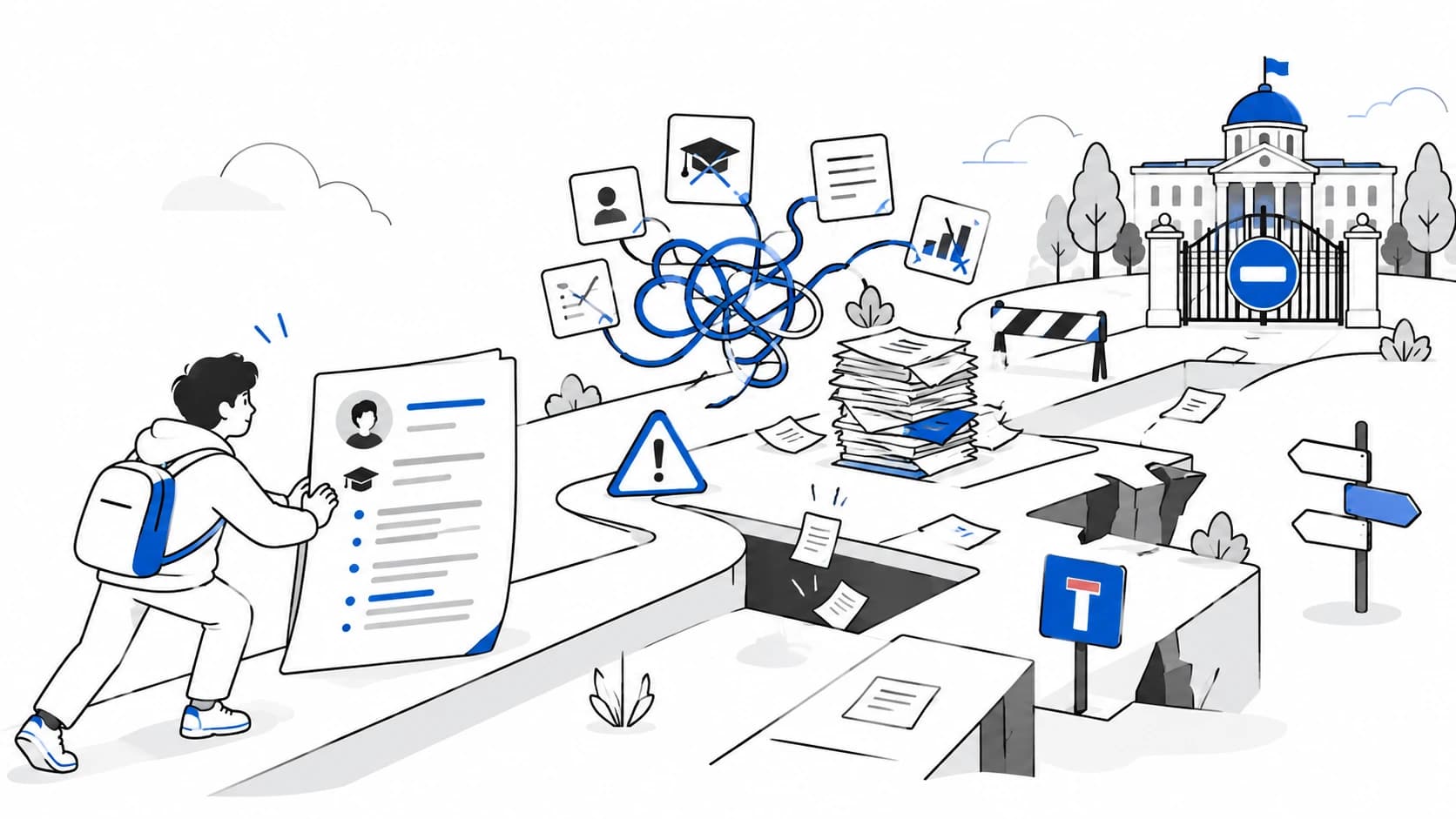
12 CV Mistakes That Get PhD Applications Rejected Instantly
The 12 CV mistakes that get PhD applications rejected instantly, from Canva templates and soft skills to vague research bullets and badly named files, and what to do instead.
ApexApply is officially live! Get 20% off your matches with code LAUNCH20 at checkout.
ApexApply blog
Advisor search, outreach, funding, requirements and application strategy
The 12 CV mistakes that get PhD applications rejected instantly, from Canva templates and soft skills to vague research bullets and badly named files, and what to do instead.

How to write an academic CV for a PhD application: how it differs from a corporate resume, the ideal section order, how to write research experience, and what to do with no publications.
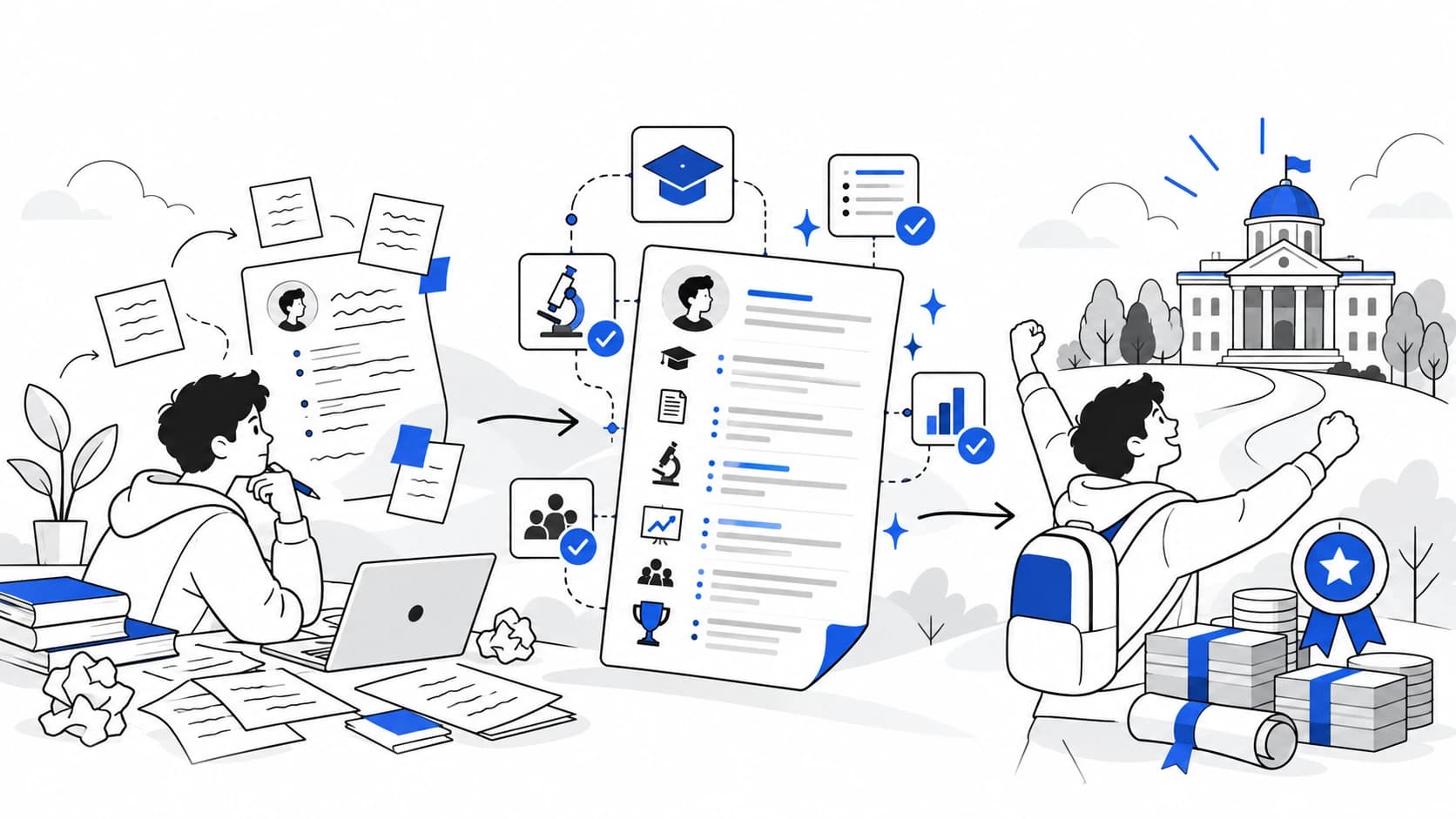
A section-by-section walkthrough of the CV behind fully funded PhD offers worth about $200K: what goes in each of 13 sections, in what order, and the formatting rules reviewers notice first.
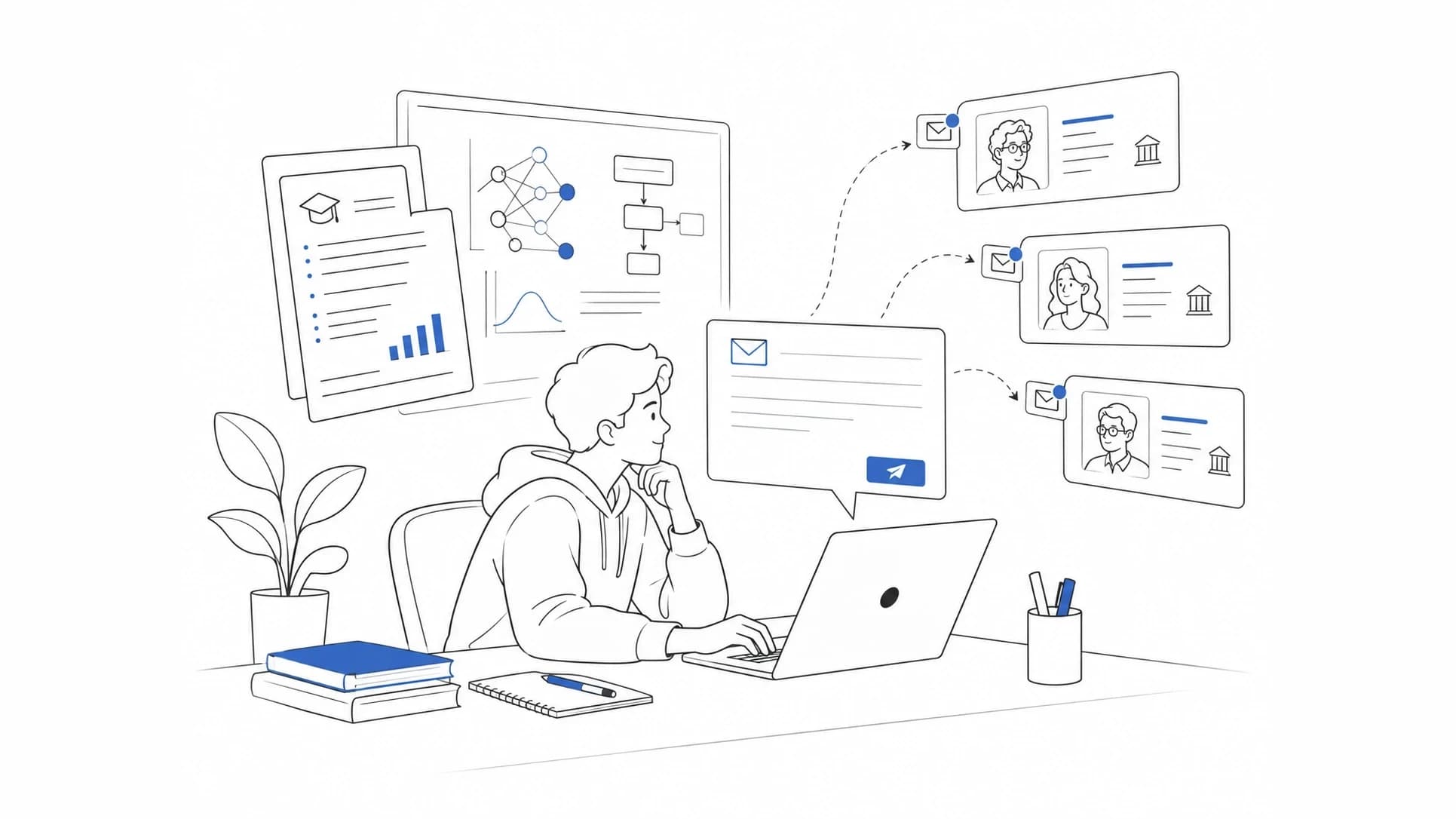
When and how to email AI and machine learning professors for a Fall 2027 start, with 50 faculty in Canada, the UK and continental Europe, their research areas and direct homepage links.
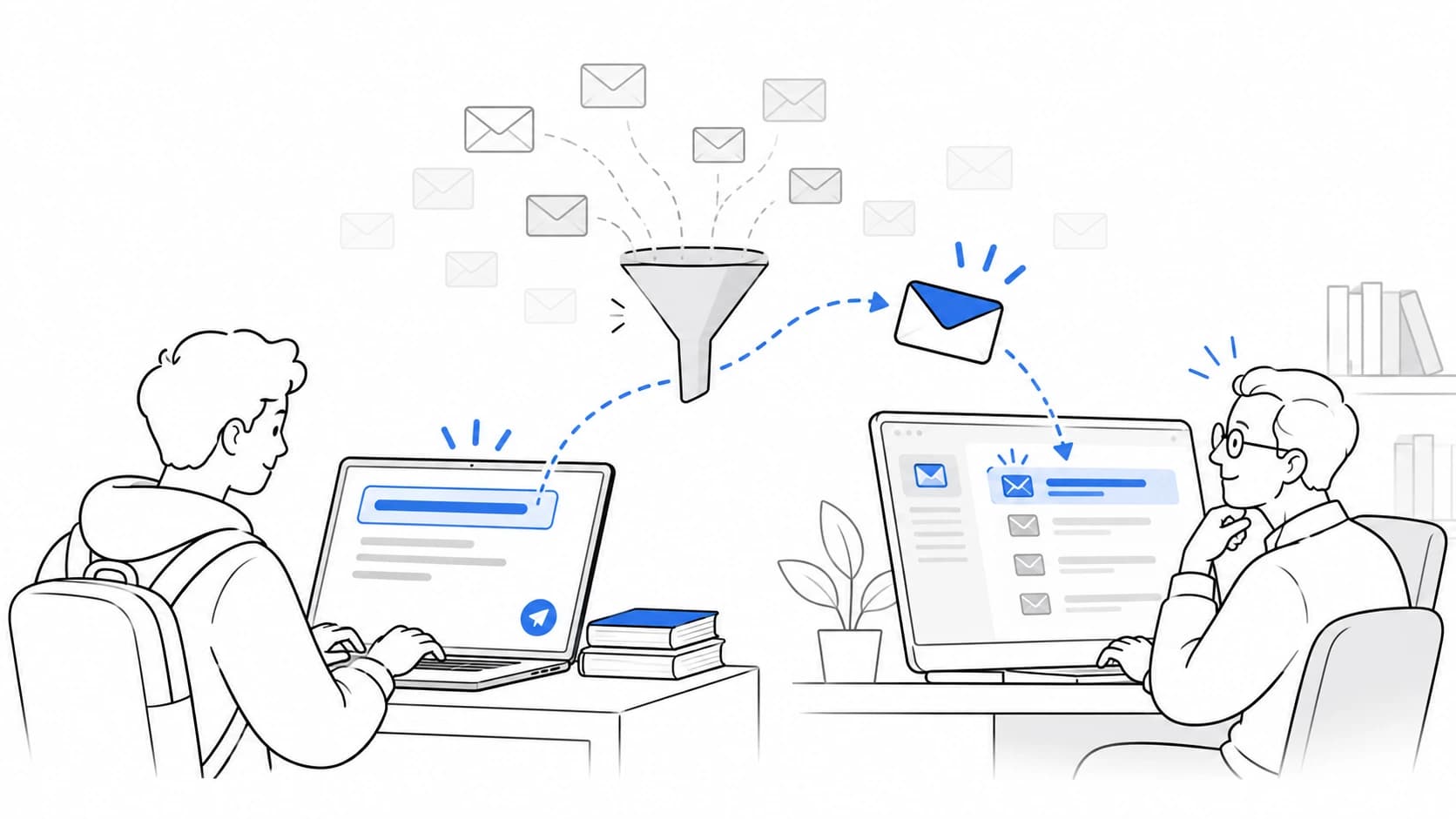
How to write an email subject line that professors actually open: what to avoid, three winning formulas with examples, and the formatting rules for PhD and Master's applications.
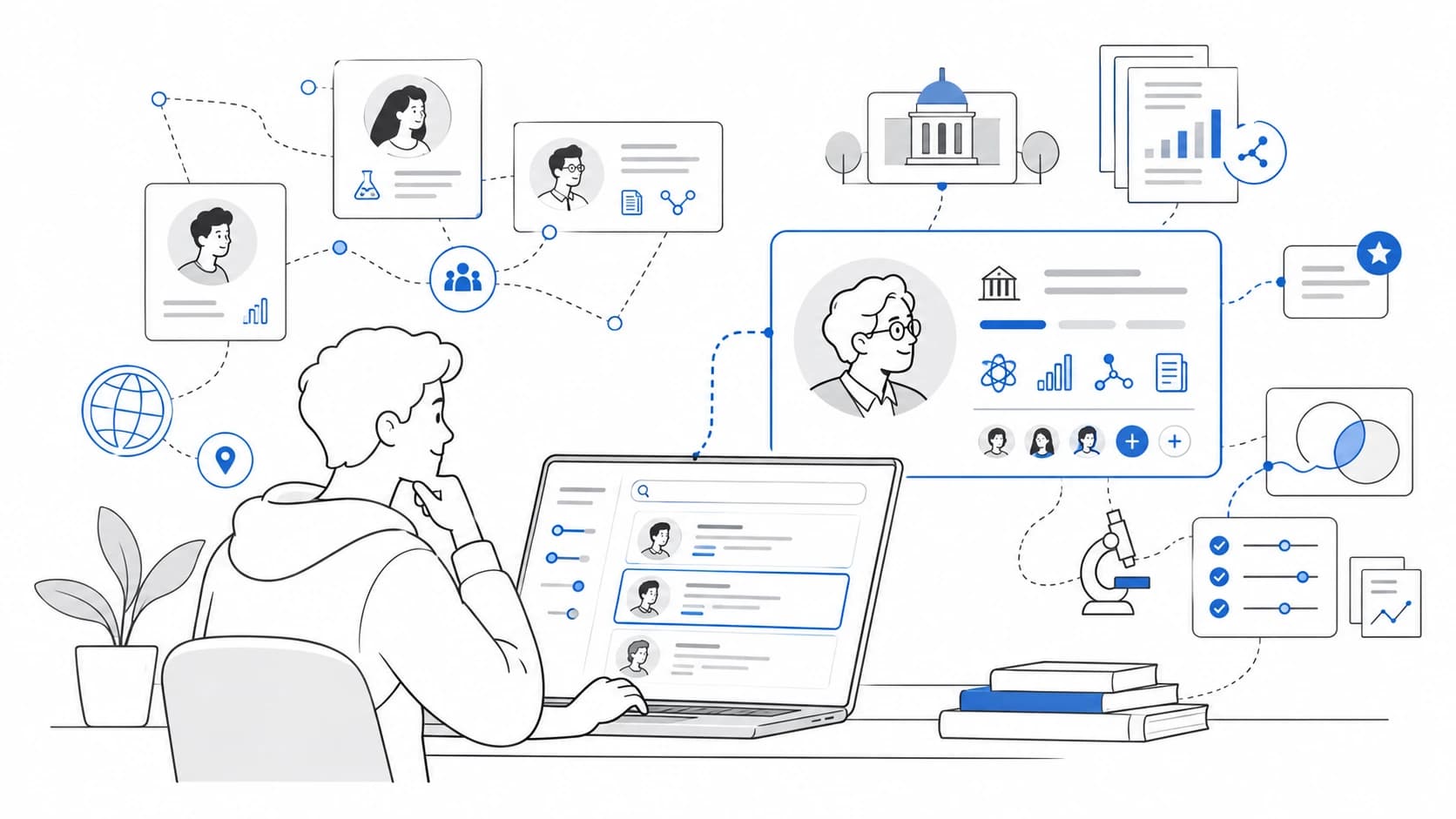
How to use LinkedIn to find a PhD advisor: search for professors who are hiring, spot new assistant professors, check alumni outcomes, and ask current students the right questions.
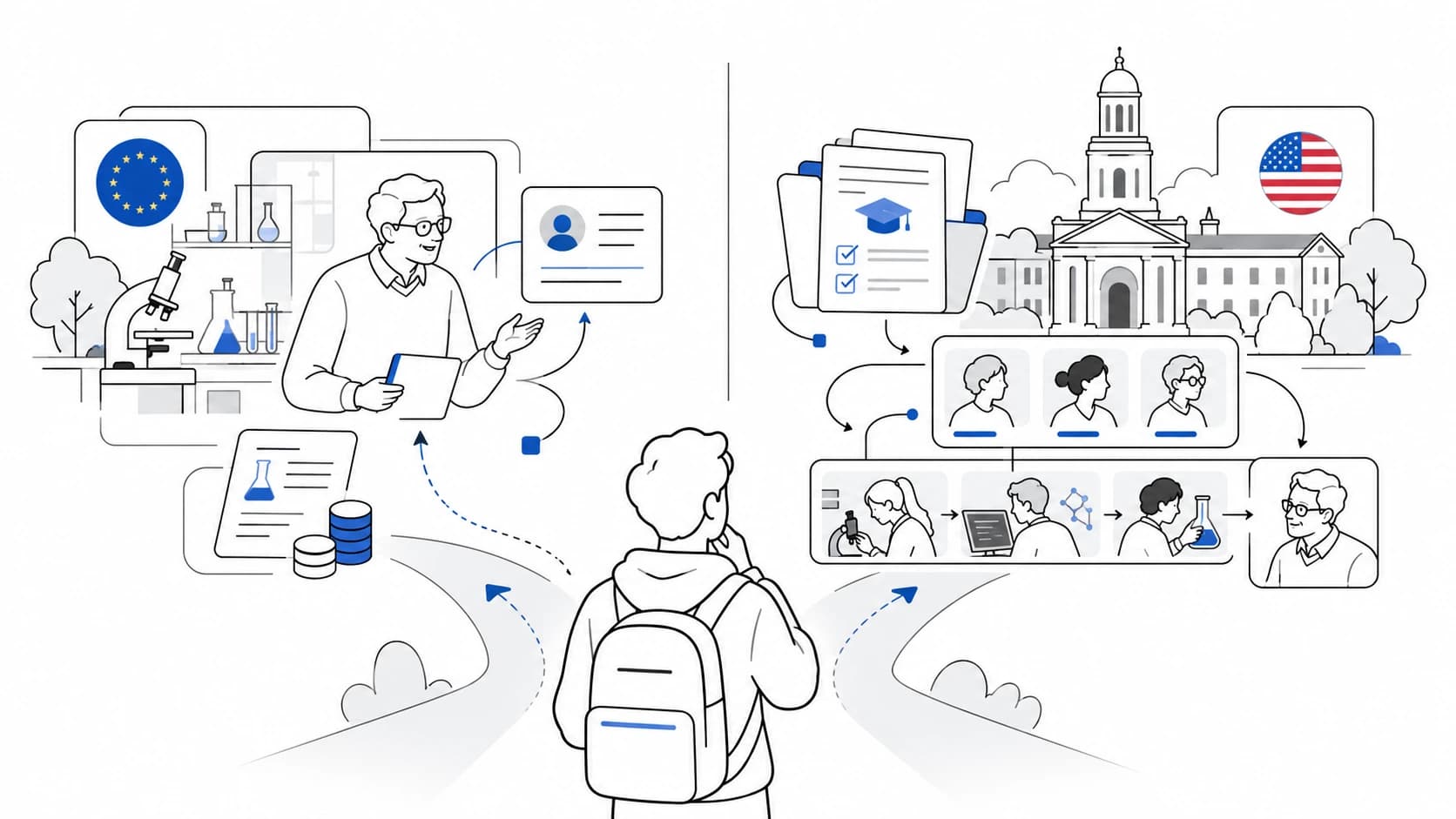
How to contact professors for a PhD in Europe versus the USA: how the two systems differ, what your email is really for, and how to write the right cold email for each.
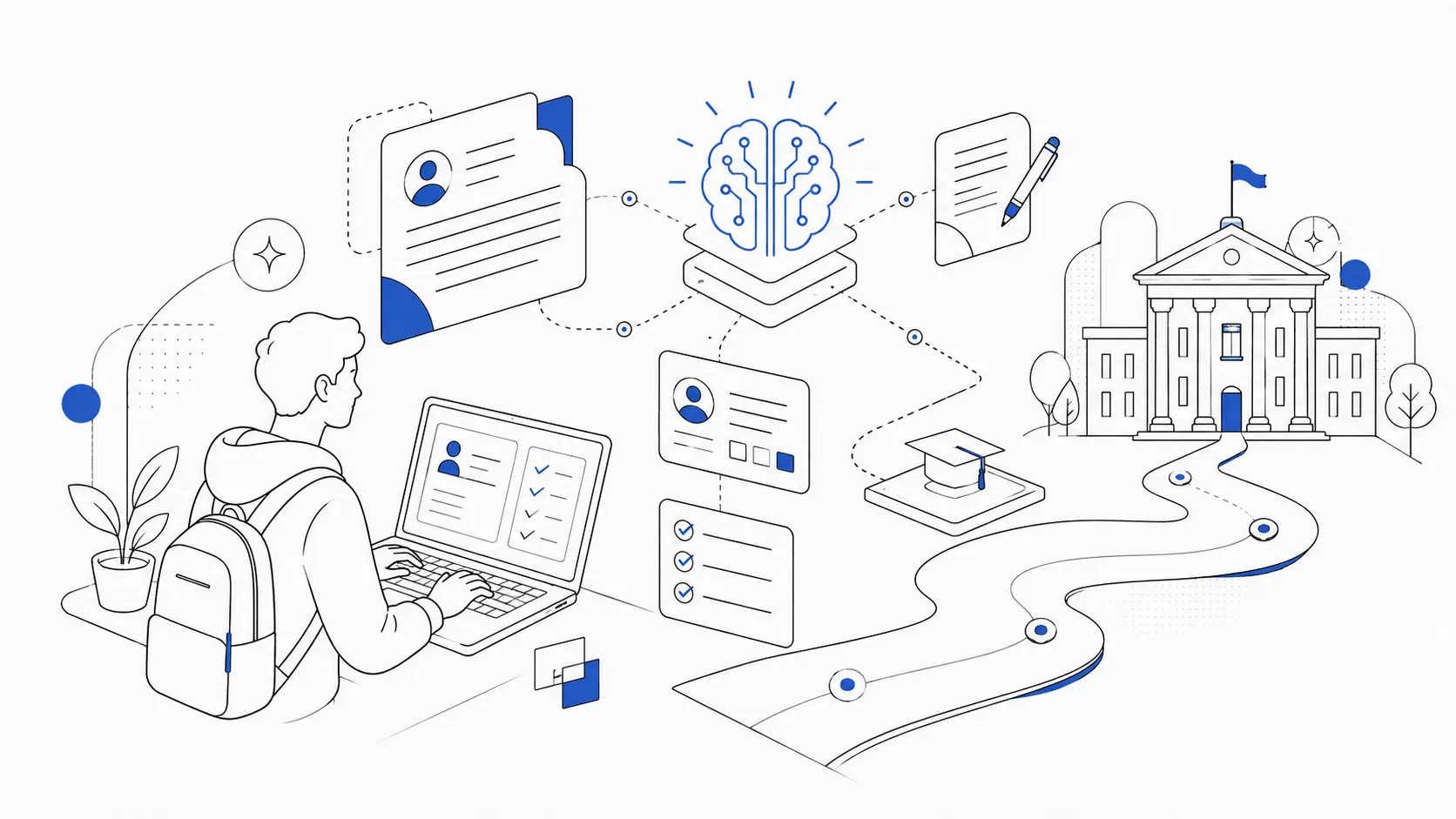
How to apply to universities using AI without sounding like a robot: the right way to use ChatGPT for your statement of purpose, cold emailing professors, and finding a funded supervisor.
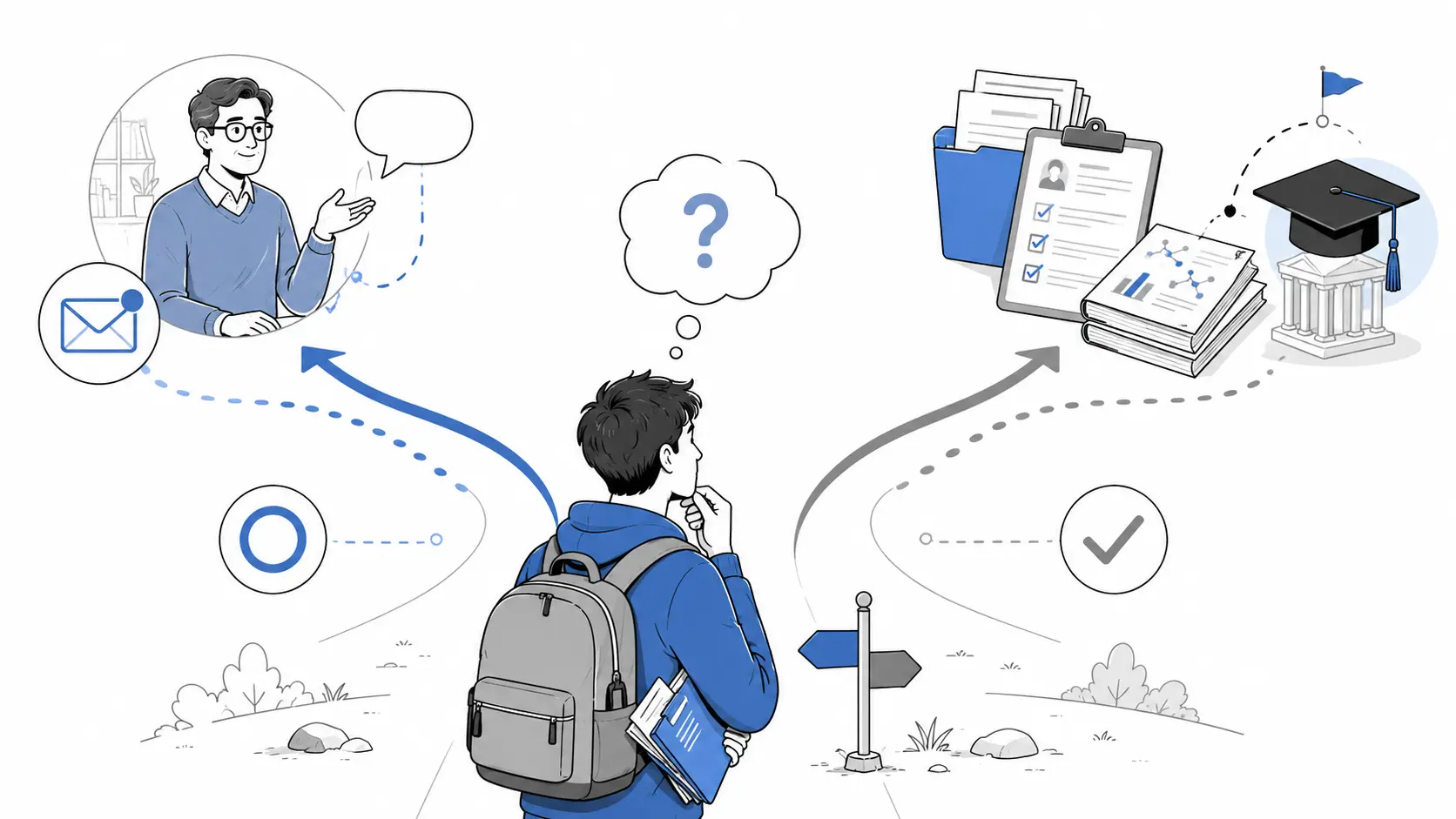
Do you need to contact professors before applying for a PhD? Almost always. When emailing is critical, when to skip it, and how the US and European systems differ.
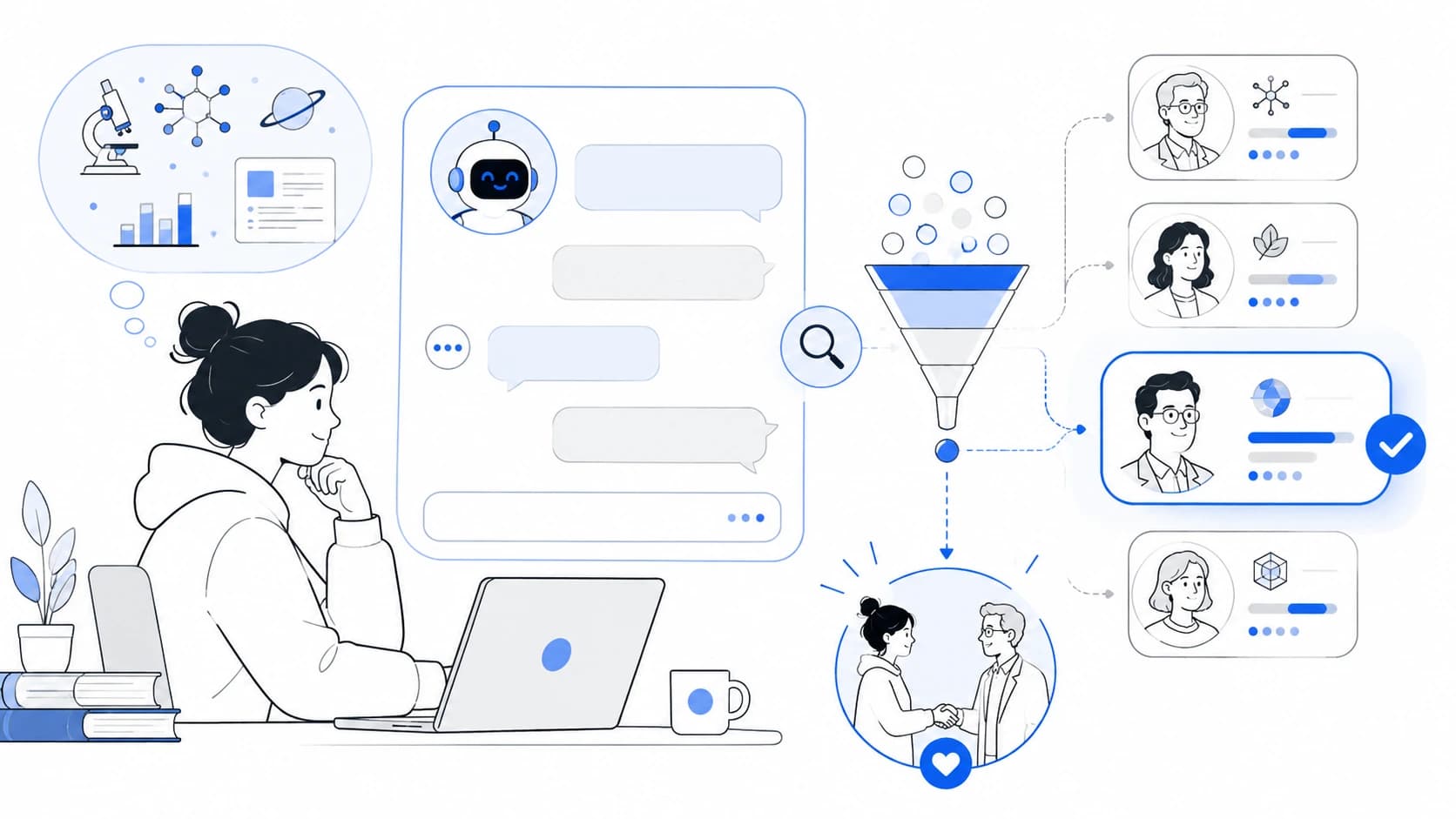
Using ChatGPT to find a PhD supervisor helps with keywords and email drafts, but it invents faculty and misses funding news. Here is where AI helps and fails.
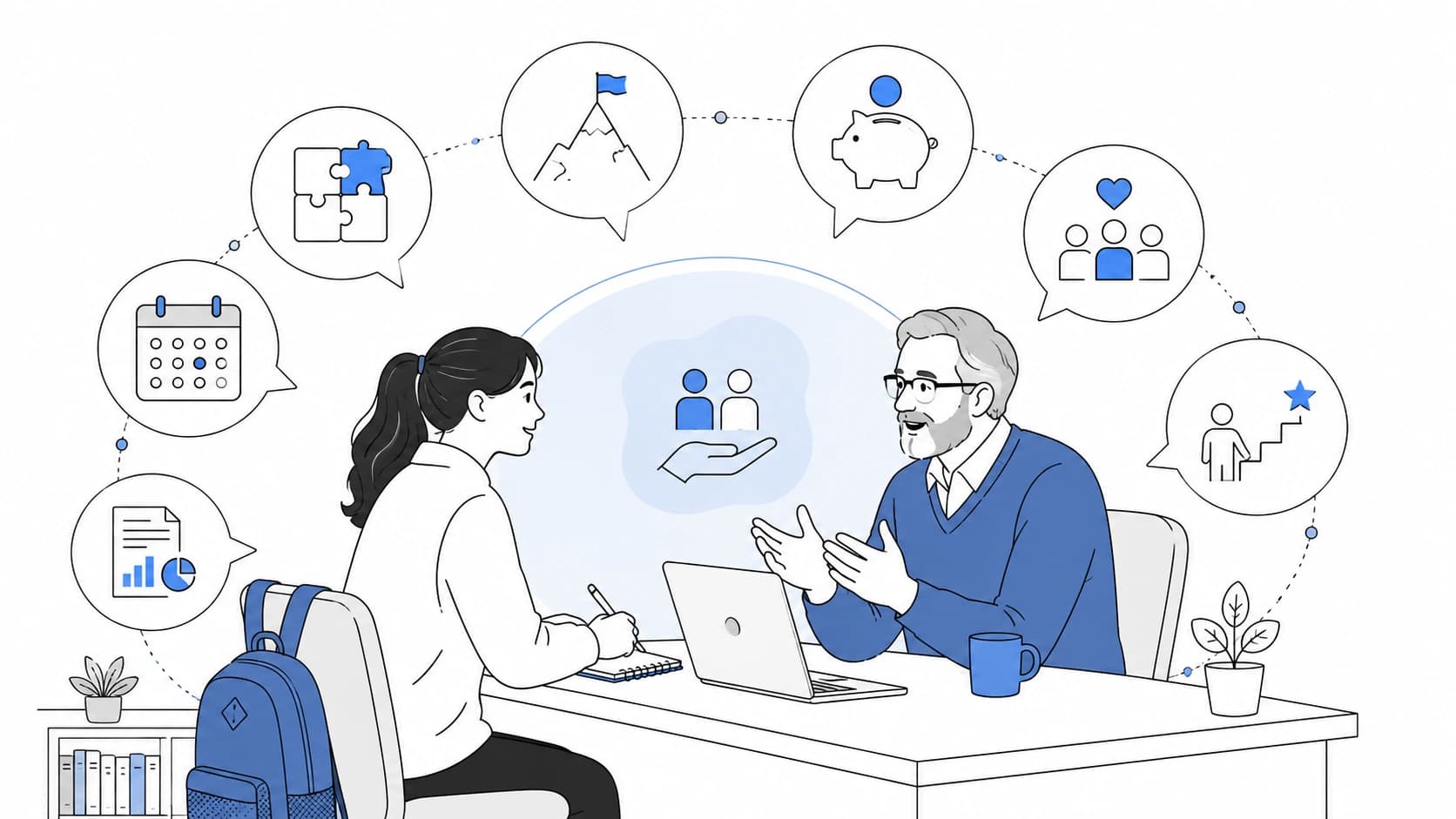
What to ask a PhD advisor in your first meeting: the questions that reveal funding, mentoring style and lab culture, plus the ones that cost you the offer.
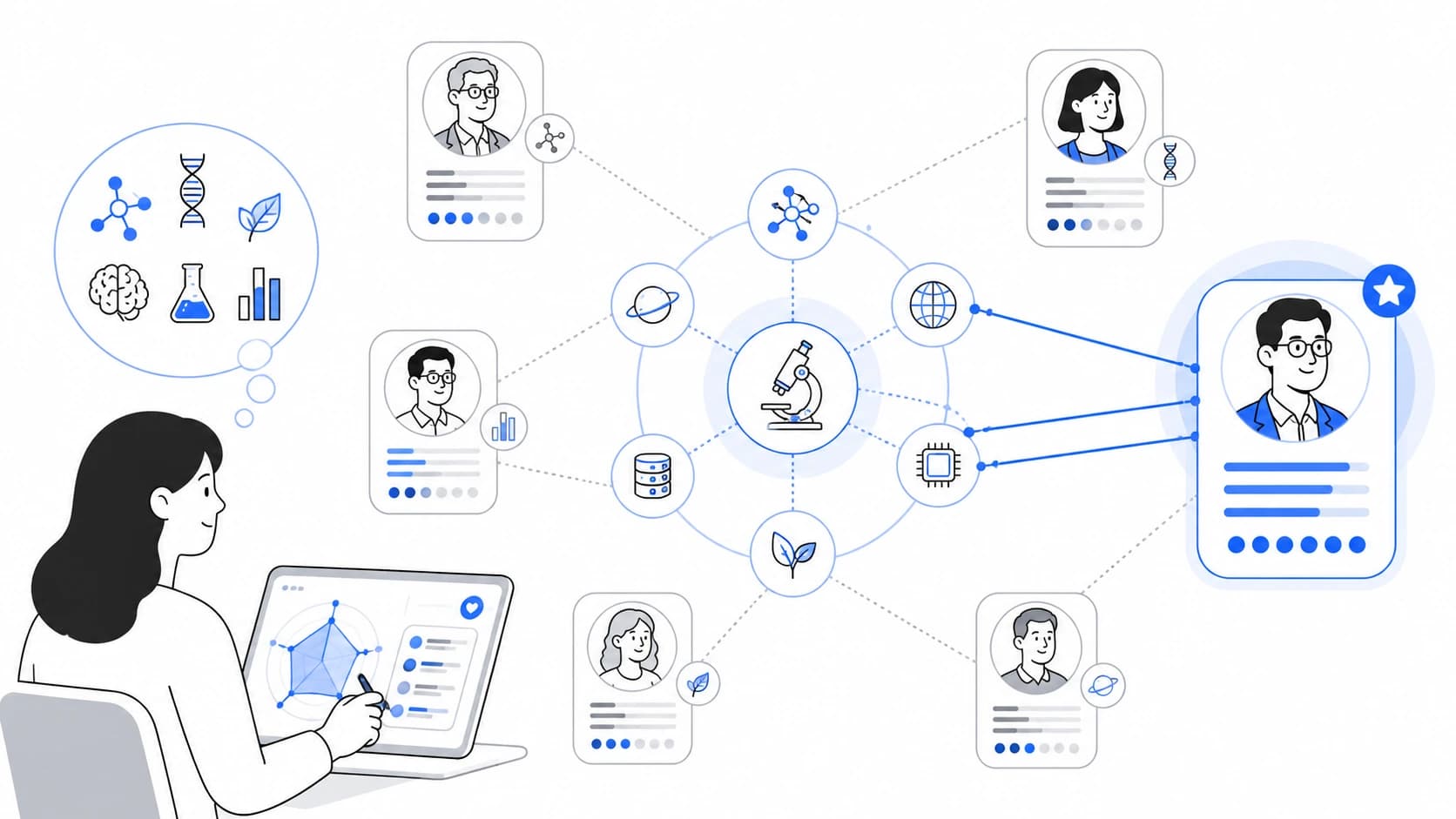
To find professors with similar research interests, work backward from papers you already like instead of scrolling university directories. Here is the method.
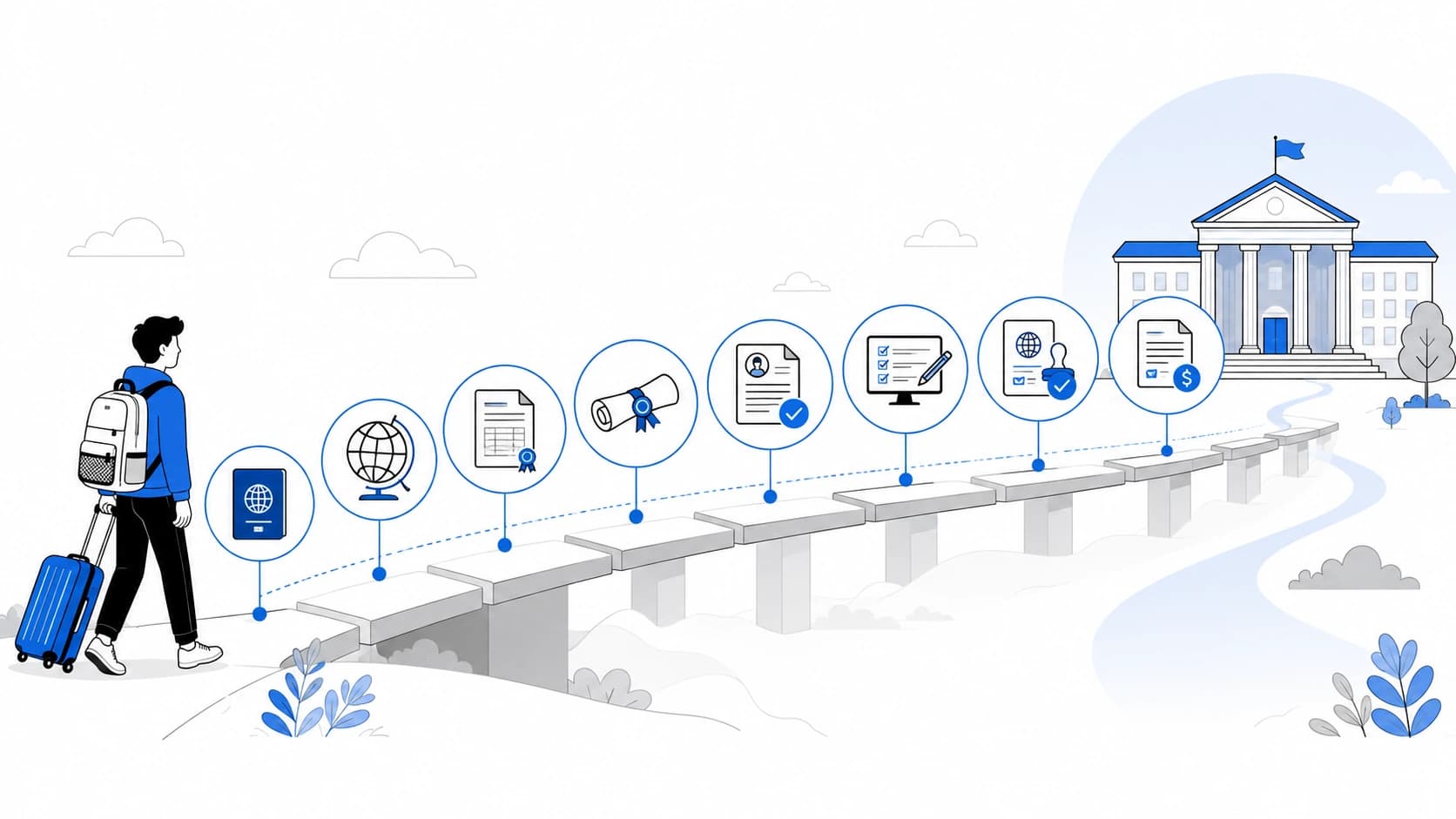
PhD requirements in the USA for international students, explained: TOEFL and IELTS minimums, when the GRE is optional, and every document committees expect.
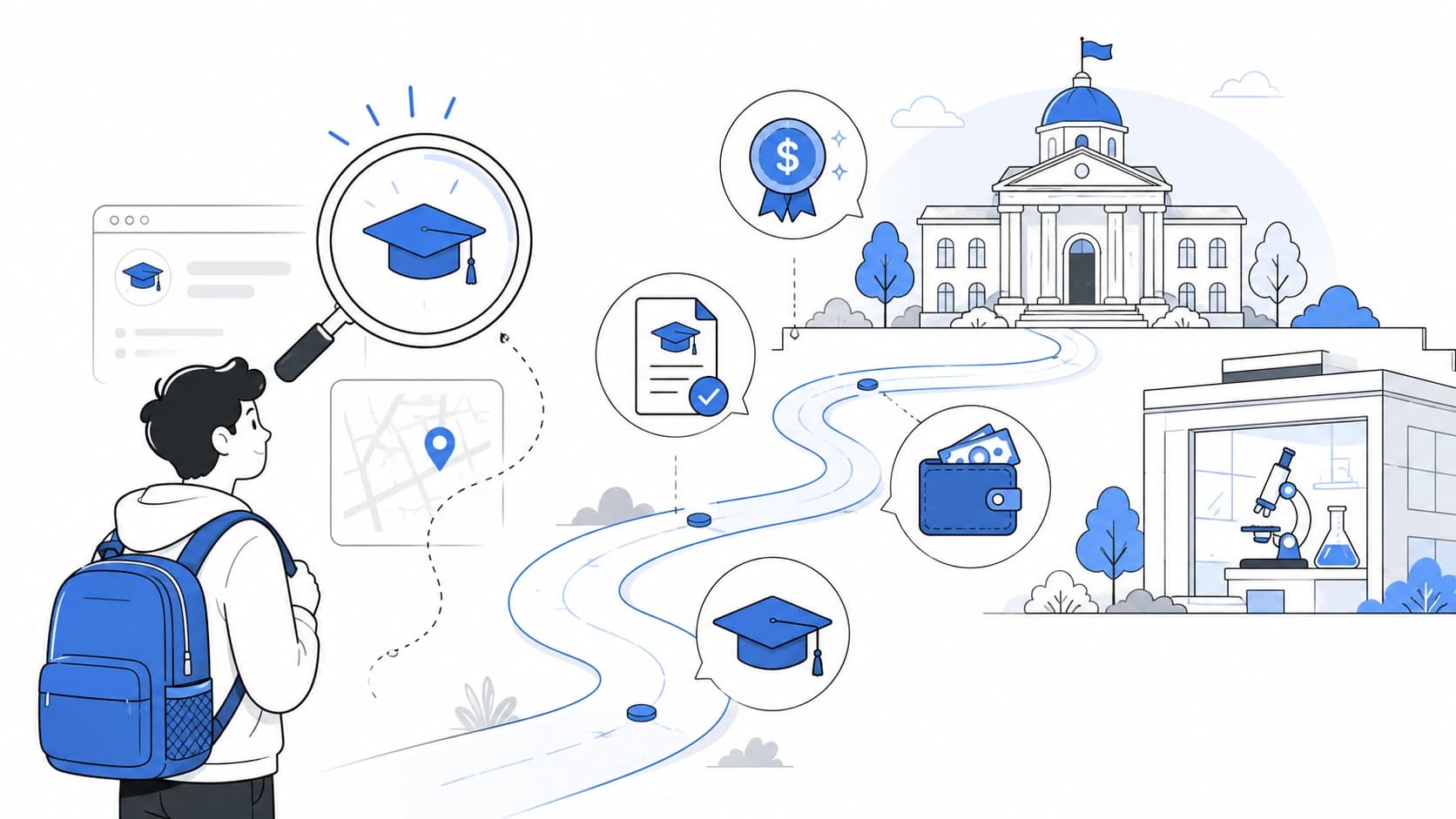
Fully funded PhD positions are rarely on job sites. Learn where funded PhDs are actually posted in the US, UK and Europe, and how to spot fake listings.
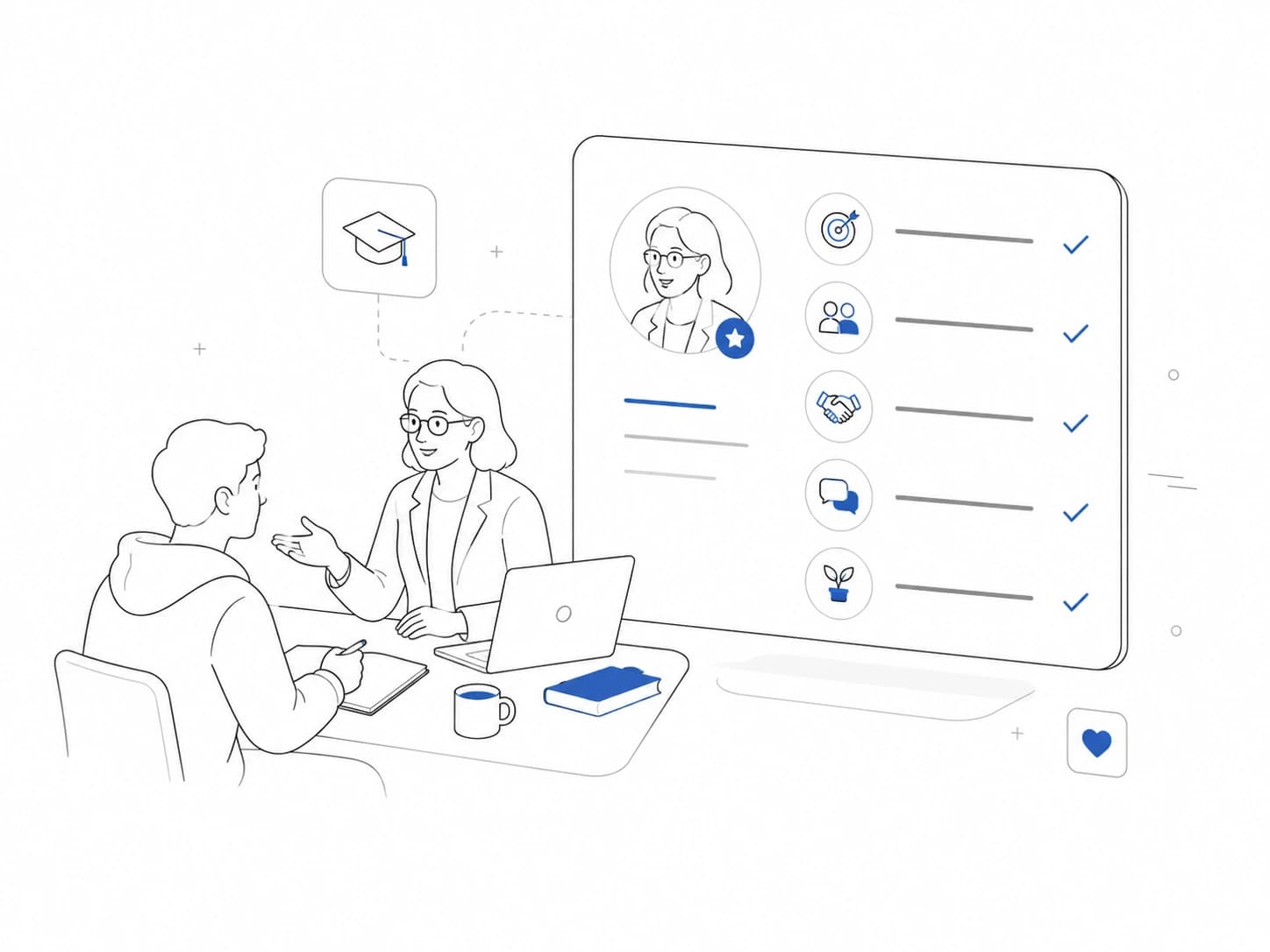
The university name matters less than the person supervising you. Here are the six things to check before you commit three to five years to one lab.
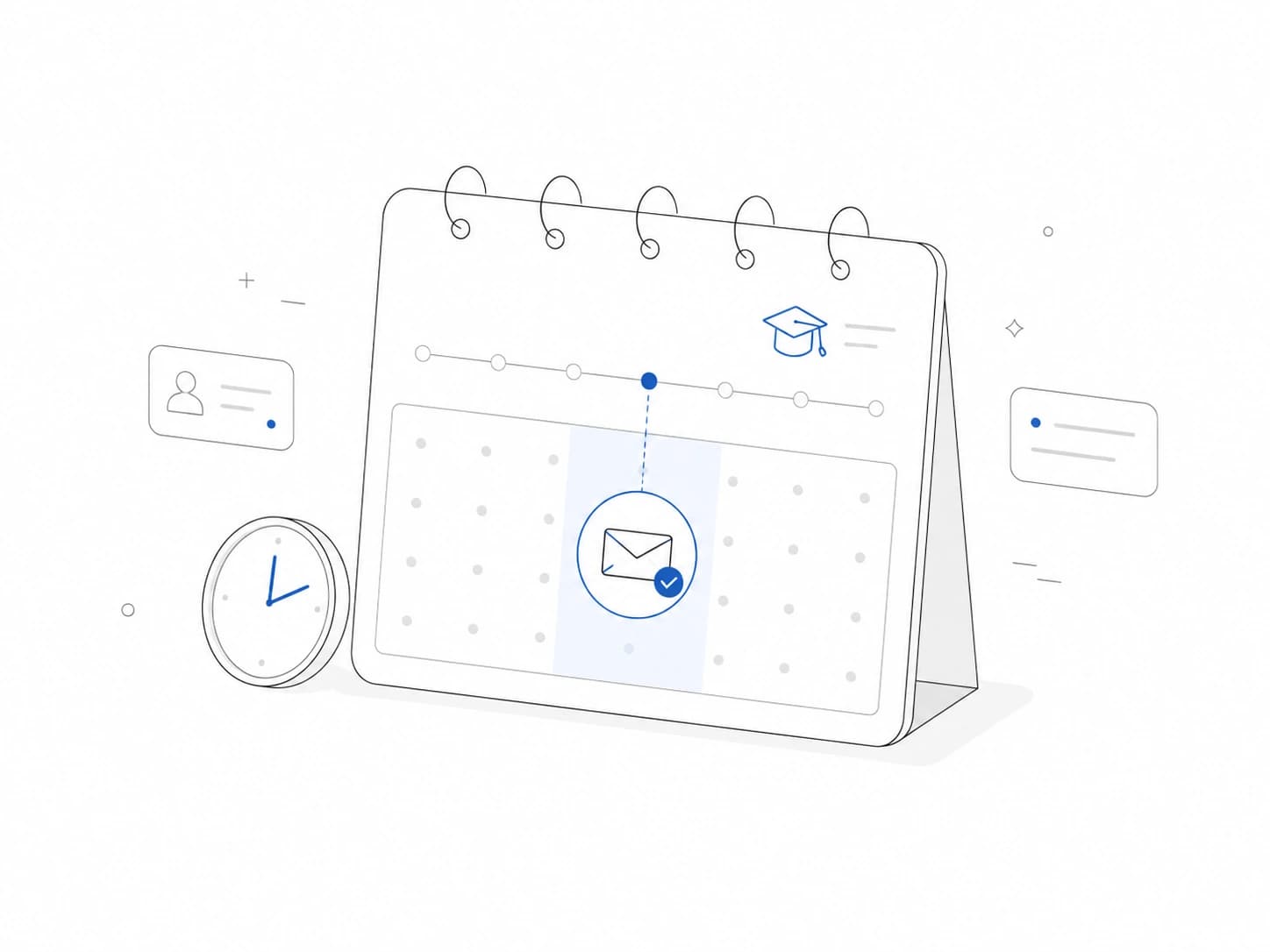
Fall 2027 outreach has a window, and it opens in August 2026. Here is the month by month timeline and what to prepare before you hit send.
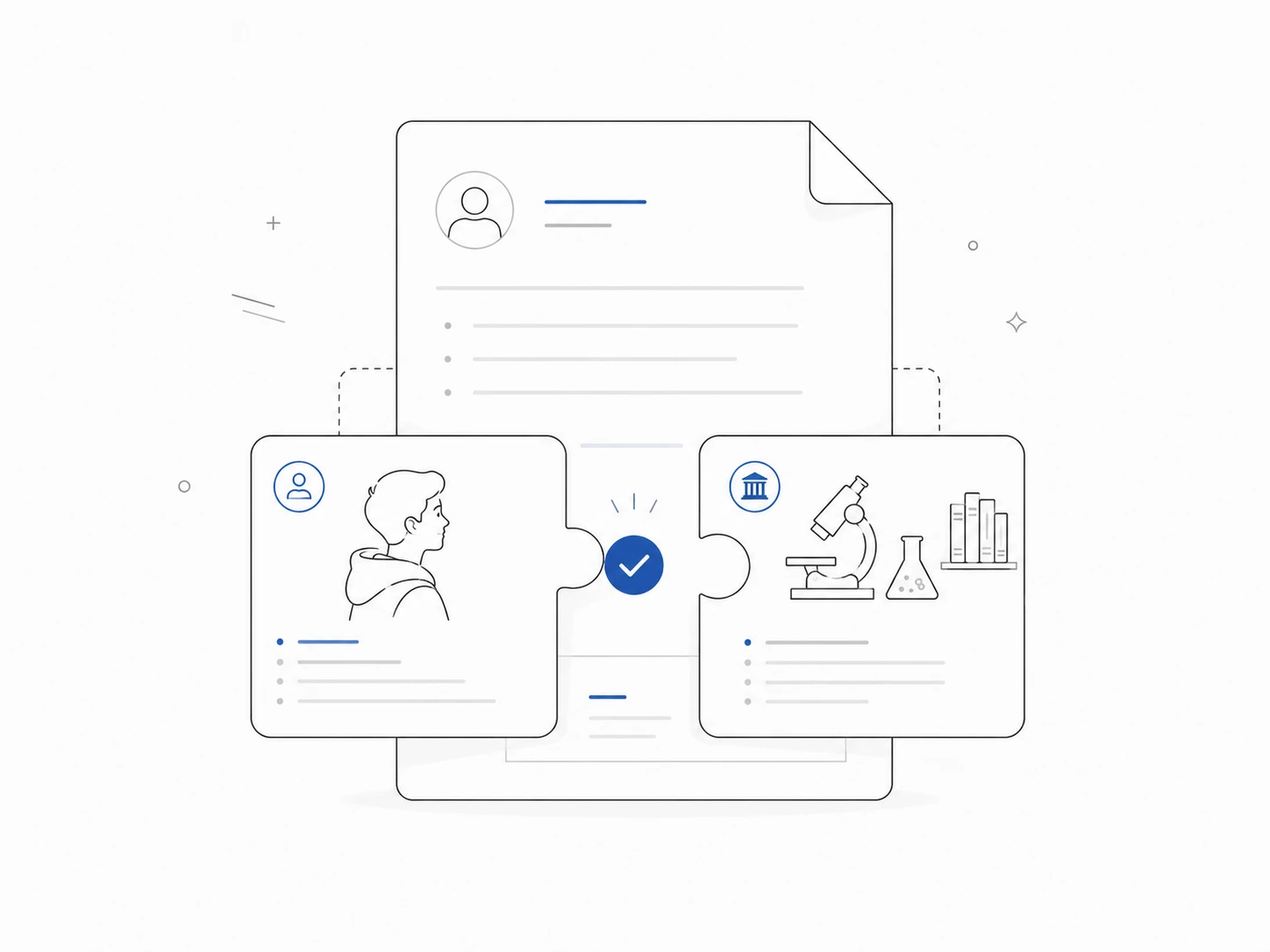
Committees reject vague passion statements. Here is how to write research fit that proves you can join one specific lab and contribute from day one.
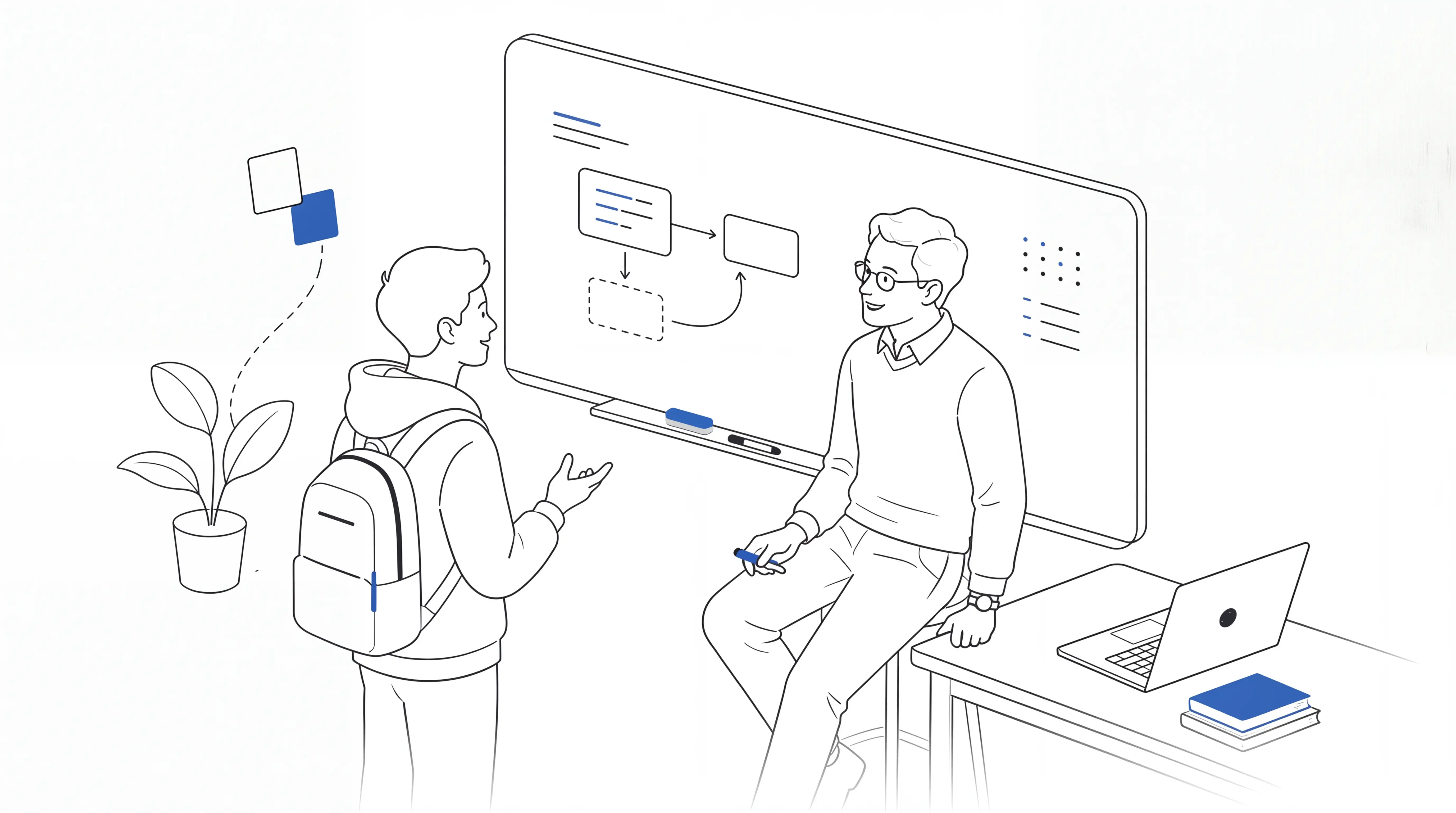
Your advisor shapes your PhD more than your university does. Here's how to find one whose research, and working style, actually fits you.
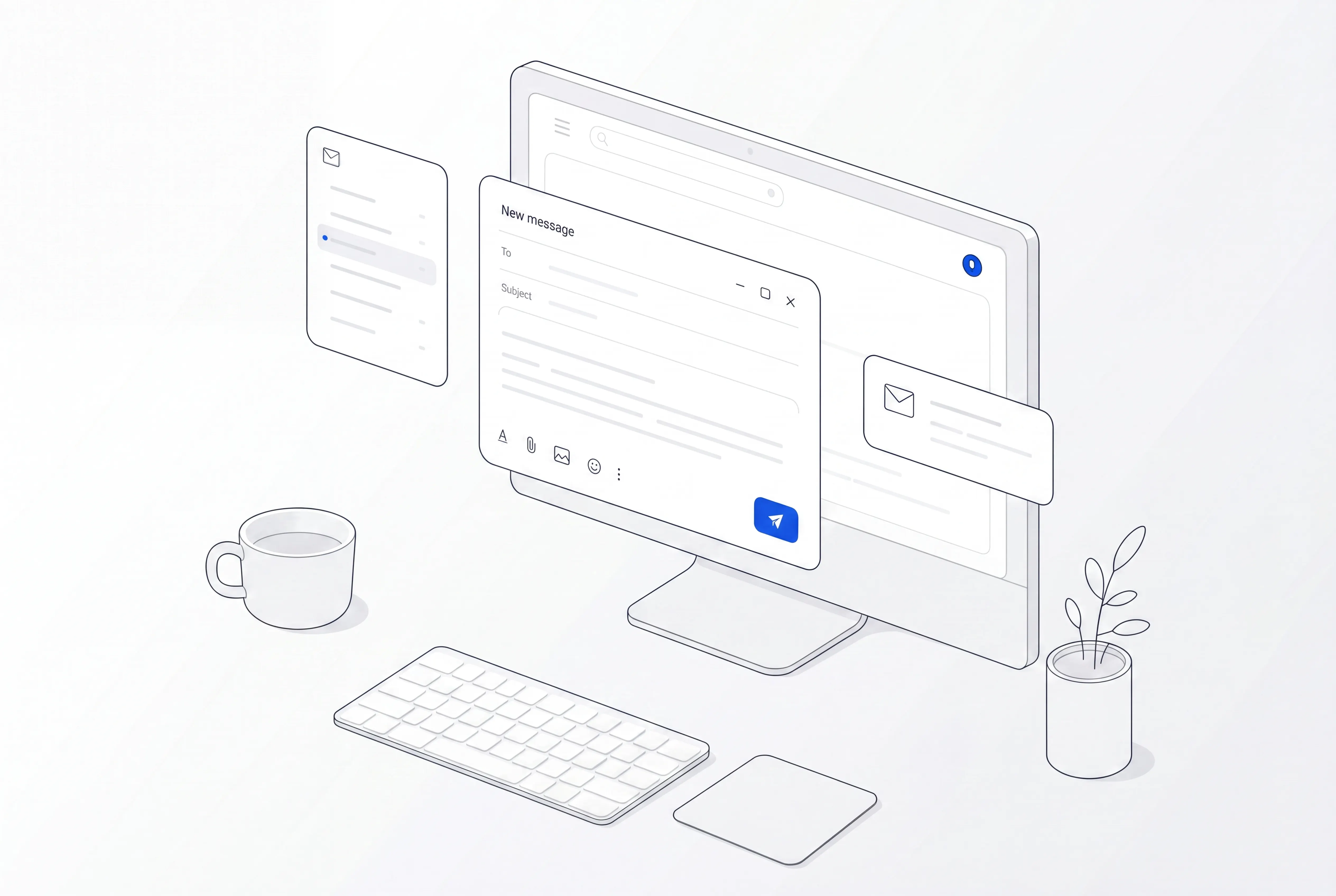
Most cold emails to professors get ignored because they're generic. Here's how to write one that gets opened, read, and answered, plus a template.
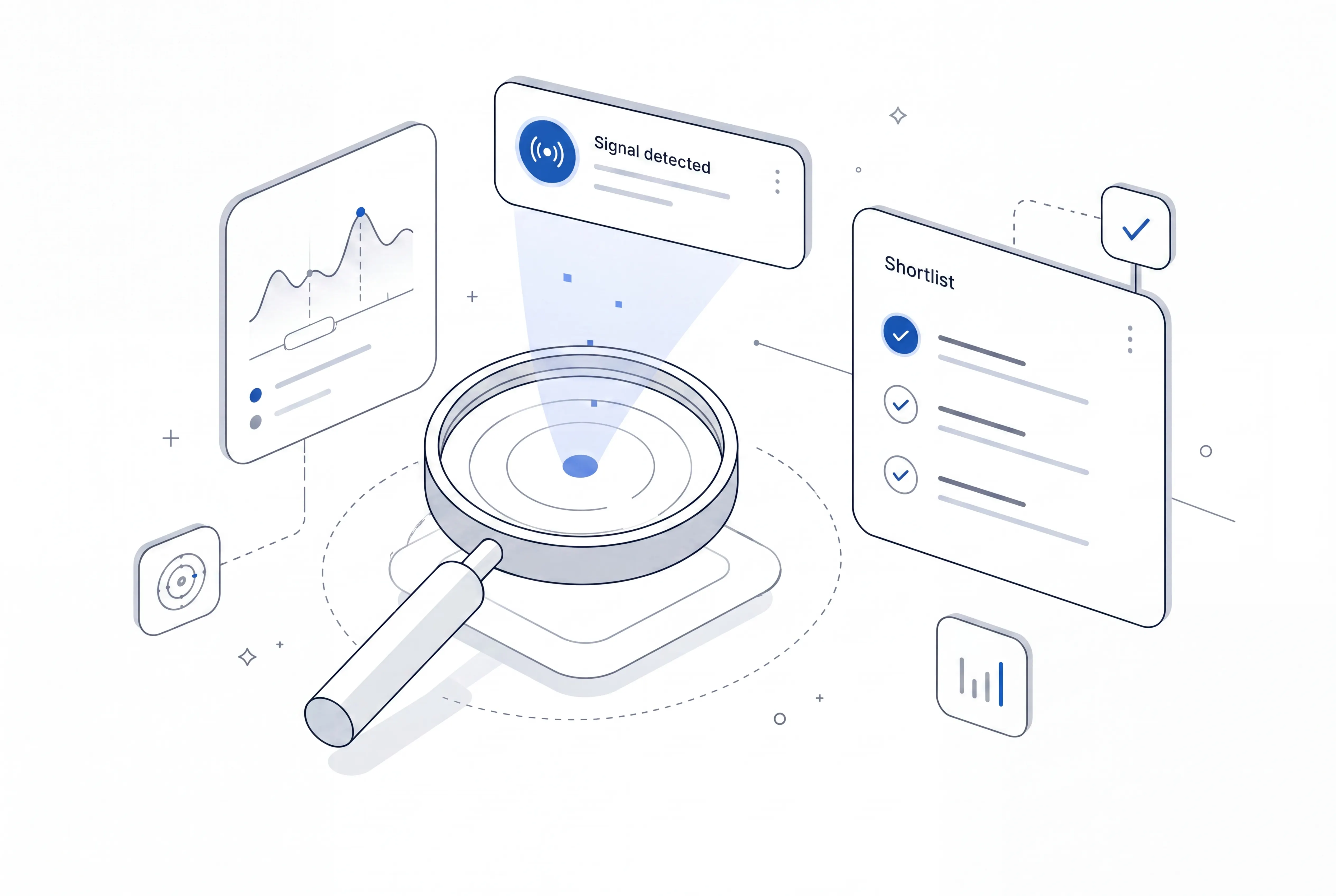
Emailing professors who aren't recruiting is the biggest time sink in the whole process. Here's how to read the signals before you hit send.
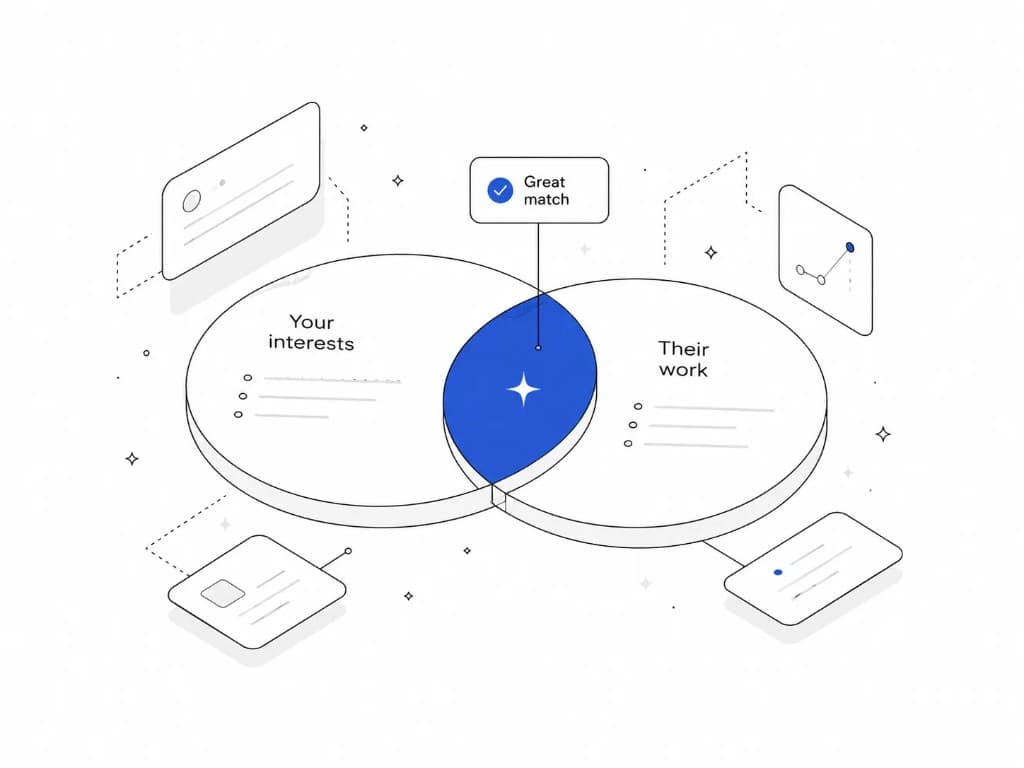
"Research fit" is the phrase every admissions page repeats and almost none explain. Here's what it really means and how to find it.
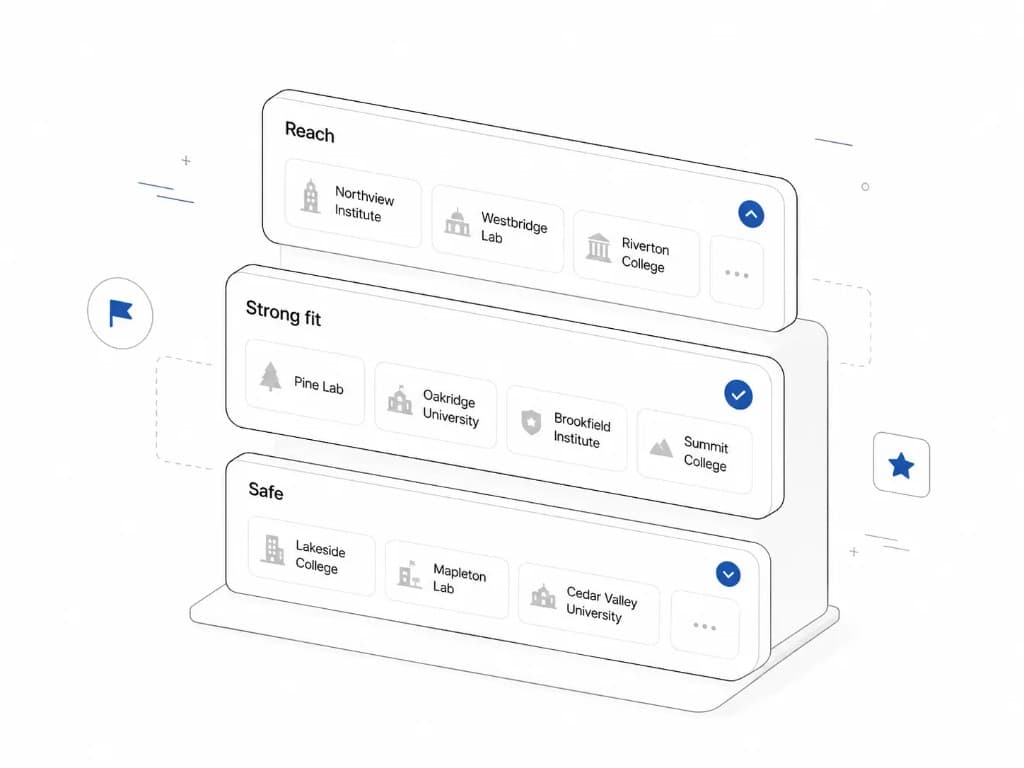
Too few and you're betting everything on a handful of replies. Too many and the emails go generic. Here's how to size and structure your list.
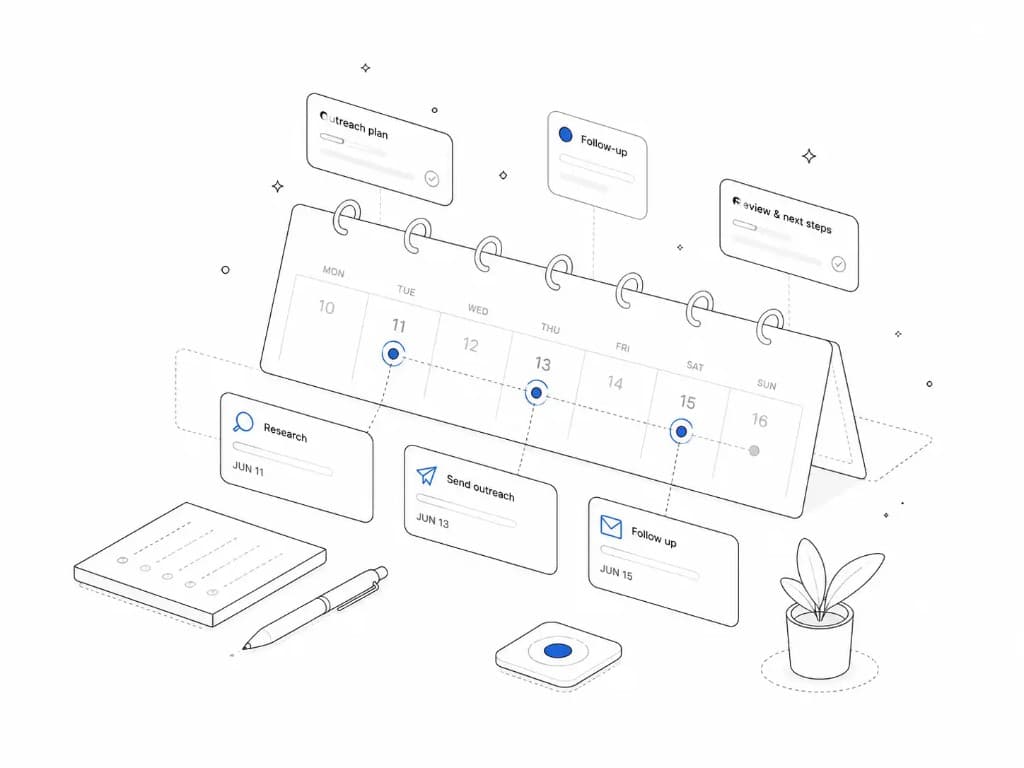
Reach out too late and the spots are gone; too early and you have nothing to say. Here's a month-by-month timeline that keeps you ahead.
Related articles